
The Meeting Happened. The Strategy Didn’t.
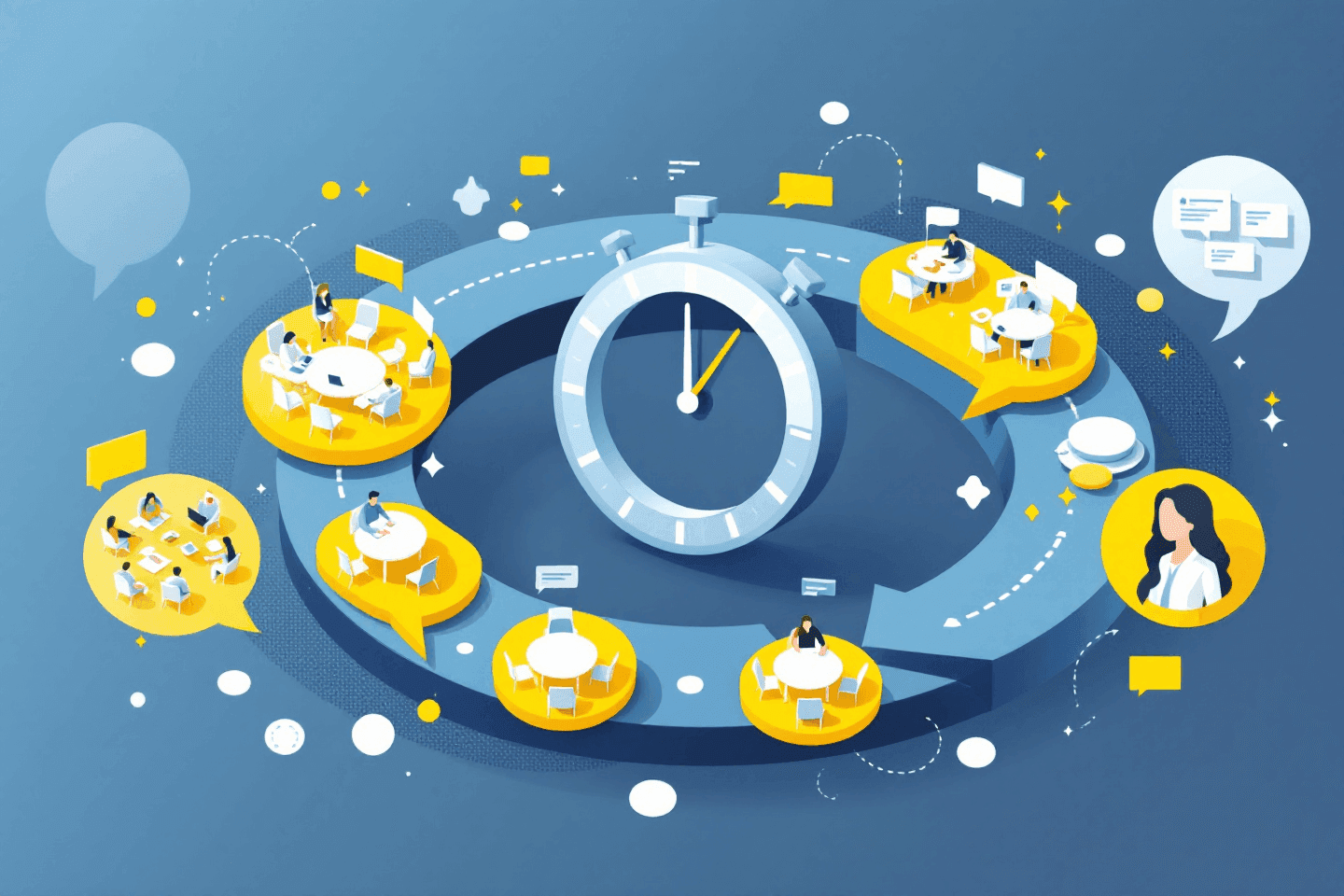
You’ve been there.
The meeting was long, intense, and full of ideas.
Everyone nodded, agreed, and left feeling aligned.
But a week later — chaos.
- Different interpretations.
- Contradicting priorities.
- And no one remembers why certain decisions were made.
It’s not that strategy isn’t being discussed — it’s that strategy doesn’t survive the discussion.
Meetings create temporary alignment.
Systems create sustained alignment.
The Illusion of Alignment
Most teams mistake agreement for alignment. Meetings feel productive because:
- Everyone contributes.
- There’s visible discussion and consensus.
- Action items get written down.
But the second the meeting ends, so does the shared understanding. The reality is brutal:
- Notes get lost.
- Context fades.
- New stakeholders join and challenge past logic.
- Decisions become opinions again.
What’s left? A recurring calendar invite — and the same conversation next week.

The Hidden Cost of “Strategic Conversations”
Each unrecorded or context-lost strategy meeting silently erodes progress:
- Wasted time: The same discussions repeat with no cumulative learning.
- Misaligned execution: Teams act on different interpretations of the same decision.
- Lost rationale: You can’t explain why a decision was made — or whether it’s still valid.
- Leadership fatigue: Executives lose trust in the process itself.
According to Harvard Business Review, organizations waste up to 15% of collective time on meetings — and the majority of participants believe they result in no clear decisions or follow-through.
👀 Want to stay ahead of the product strategy curve?
Be the first to try our AI-powered strategic memory system.
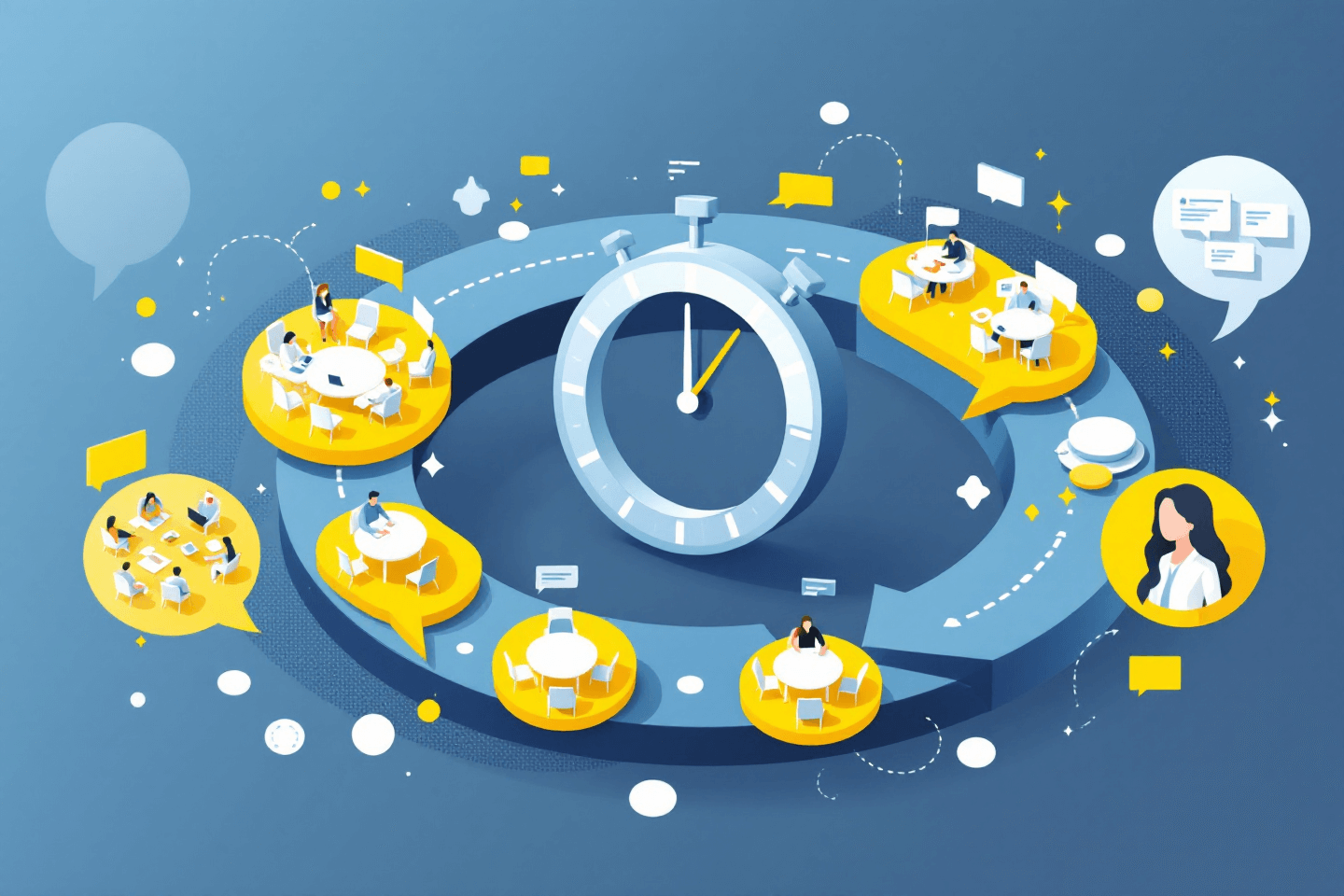
Strategy Without Continuity Is Noise
Every strategic discussion generates insight, rationale, and intent — but without structure, it’s gone by next week.
What if those discussions could live on?
What if every decision had a digital memory — a traceable “why” that guided the next one?
That’s not a fantasy.
That’s what strategic memory systems like Priowise are built for.
How Priowise Turns Meetings Into Strategic Memory
- Capturing Context, Not Just Conclusions
Priowise doesn’t just log meeting outcomes. It captures the reasoning — what was discussed, what was debated, what was agreed. - Analyzing Sentiment and Consensus
LLM-powered analysis identifies tension points and consensus trends, highlighting where alignment is weak or strong. - Linking Decisions to Strategy
Each meeting output is mapped to objectives, key results, and impact parameters — ensuring discussions contribute to measurable goals. - Building a Continuous Strategic Memory
Every discussion adds to a growing, searchable record of “why we decided what we did.” So when new members join or contexts shift, continuity isn’t lost. - Making Strategy Actionable, Not Theoretical
Priowise translates alignment into next steps — automatically updating roadmaps and OKRs when strategic decisions change direction.

What Happens When Strategy Actually Sticks
- ✅ No more déjà vu discussions.
- ✅ Every decision has context and continuity.
- ✅ Onboarding becomes faster and frictionless.
- ✅ Leadership gets traceable visibility into strategic reasoning.
When meetings feed systems — not slides — alignment compounds over time instead of resetting each week.
Why Teams Keep Losing Strategic Memory
- Relying on note-takers instead of structured capture.
- Treating follow-ups as documentation, not decisions.
- Assuming shared understanding instead of verifying it.
- Forgetting that alignment needs maintenance, not minutes.
Without continuity, even brilliant strategies dissolve into repetition.
AI Doesn’t Lead the Meeting — It Makes It Count
Priowise doesn’t run your meetings. It ensures the outcome lasts longer than the call.
By analyzing discussions, detecting consensus, and linking insights to strategic data, Priowise keeps your strategy alive between conversations.
Your team can keep meeting. You just won’t need to repeat yourself anymore.

The Real Strategy Meeting Starts After It Ends
Every team can hold a meeting. Few can hold on to its meaning.
When insights fade, organizations start over every week — mistaking discussion for progress.
Strategy happens not when people agree, but when the agreement persists.
Priowise keeps that agreement alive.
Because a meeting without memory isn’t strategy — it’s noise.
Mini FAQ
This mini FAQ highlights the key what/why/how points from the post, making strategy alignment concepts easier to understand and reference.
- Why do most strategy meetings fail?
Because alignment fades once the discussion ends — decisions are rarely recorded with context or traceability. - What’s the difference between agreement and alignment?
Agreement is momentary. Alignment is continuous and anchored in shared context. - How does Priowise capture strategy continuity?
By using LLMs to analyze meetings, extract reasoning, and link insights to strategic objectives and measurable impacts. - Does this replace human decision-making?
No — it enhances it by preserving intent and context so decisions build on each other instead of resetting. - What’s the outcome of a living strategic memory?
Fewer repetitive meetings, faster onboarding, and stronger alignment across teams.